The Rise of Alcohol-Free Living
The decision to cut out alcohol is one many people are making today, whether for health reasons, personal growth, or simply to feel better overall. Movements like Dry January and the Sober Curious trend show the growing desire to embrace alcohol-free living.
Living without alcohol doesn’t mean sacrificing fun, flavor, or social connection. Thanks to the rise of non-alcoholic beers, wines, and spirits, it’s easier than ever to enjoy the sensory experience of drinking, without the drawbacks.
Why Cut Out Alcohol?
There are many reasons people choose to reduce or eliminate alcohol. These motivations often go beyond physical health, touching on mental clarity and spiritual well-being.
- Improved Physical Health: Alcohol impacts sleep, metabolism, and the immune system. Eliminating it often leads to better energy and vitality.
- Enhanced Mental Clarity: Without alcohol clouding thoughts, many people feel more focused and emotionally balanced.
- Deepened Spiritual Connection: Alcohol can numb emotions or distract from inner growth, making it harder to connect with oneself or with a higher purpose. Removing alcohol creates space for mindfulness, meditation, and prayer, fostering greater awareness and alignment with personal values.
What Alcohol Does to the Brain and Body

Effects on the Brain
Alcohol is a central nervous system depressant that interacts with key chemicals in the brain, leading to:
- Disrupted Neurotransmitters: Alcohol initially boosts dopamine, creating feelings of pleasure, but long-term use disrupts brain chemistry, contributing to anxiety and depression.
- Impaired Cognitive Function: Chronic use shrinks brain volume, particularly in areas responsible for memory, decision-making, and self-control.
- Poor Sleep: Alcohol interferes with REM sleep, the restorative stage necessary for memory consolidation and emotional regulation.
Effects on the Body
Alcohol affects nearly every system in the body, often with long-term consequences:
- Liver Damage: Nearly 46% of liver disease deaths in 2022 were alcohol-related, including conditions like fatty liver, hepatitis, and cirrhosis.
- Increased Cancer Risk: Alcohol has been linked to seven different types of cancers including (but not limited to) cancer of the mouth, throat, liver, breast, prostate, and colon due to its production of acetaldehyde, a compound that damages DNA.
- Cardiovascular Strain: Even moderate drinking raises the risk of atrial fibrillation (AF), a heart arrhythmia associated with stroke and other complications.
Alcohol and Atrial Fibrillation (AF)

Atrial fibrillation (AF) is a common cardiac arrhythmia that is sometimes believed to be associated with alcohol consumption. Some studies show that even low to moderate intake of alcohol can increase the risk of developing AF.
Episodes of AF after binge drinking, often termed “holiday heart syndrome,” shows alcohol’s ability to have an acute impact on our heart rhythm. This condition, commonly seen after periods of heavy drinking, shows the importance of moderation (or elimination!) for heart health.
The Social Factor
Navigating social situations without alcohol can feel challenging. From celebratory toasts to casual after-work happy hours, drinking often feels like “the norm.” For those who choose to abstain, this can sometimes create feelings of isolation. I encourage you to help “be the change” that creates a new norm in society.
Non-alcoholic beverages provide a solution. They offer the sensory experience of drinking, allowing people to stay connected in social settings without consuming alcohol.
Exploring Non-Alcoholic Beverages 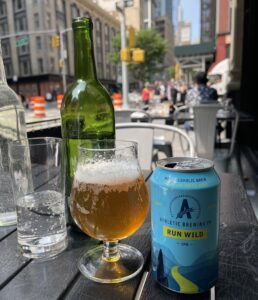
1. Non-Alcoholic Beers
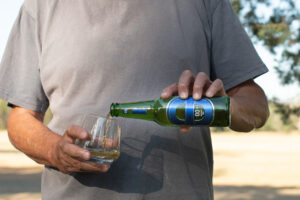
Brands like Heineken 0.0, Athletic Brewing, Bravus, and Guinness 0% offer flavorful options that rival their alcoholic counterparts. And, almost every major beer company now has a non-alcohol version. However, I recommend some of the specialty companies that only produce alcohol free brews to support their efforts. With styles ranging from IPAs to stouts, there’s something for everyone.
2. Alcohol-Free Wines
Wine lovers can enjoy options like Fre, Surely, and Nice and Noughty, which deliver the depth and complexity of traditional wines without the alcohol. Whether it’s a sparkling rosé or a rich red, these wines pair beautifully with meals or stand alone.
3. Non-Alcoholic Spirits
Brands like Seedlip, Ritual Zero Proof, and Lyre’s are redefining cocktails. These alcohol-free spirits mimic the flavors of traditional liquors, making it easy to craft mocktails that are every bit as enjoyable. They aren’t usually as potent in flavor, but the satisfy the social palate without the harmful effects.
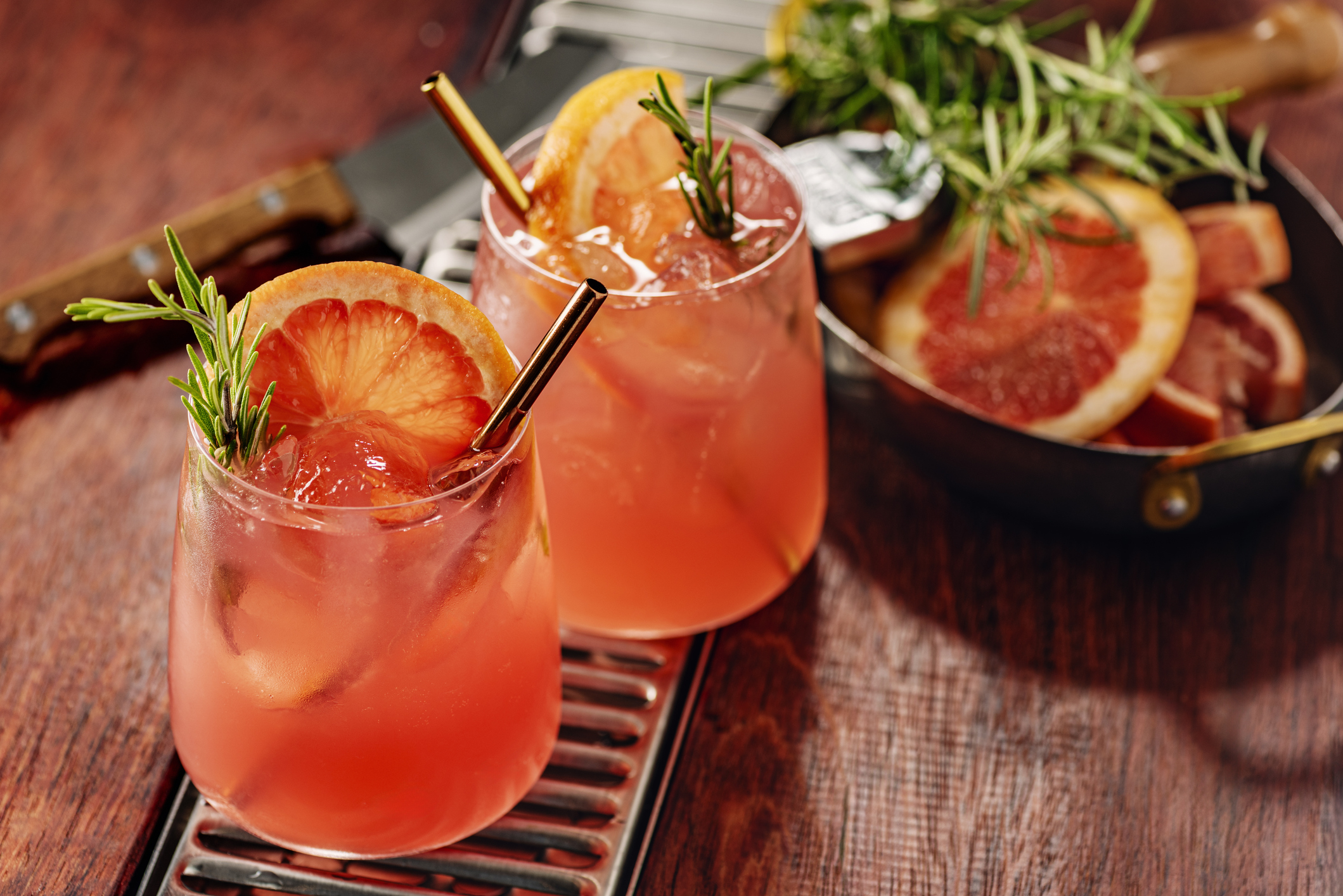
Mocktail Recipe: Refreshing Citrus Tonic
- 2 oz Seedlip Grove 42 (citrusy spirit substitute)
- 3 oz tonic water
- Garnish with a slice of orange and a sprig of rosemary
The Health, Emotional, and Spiritual Benefits
Physical Benefits
- Better Sleep: Alcohol disrupts REM cycles, so removing it can lead to more restorative rest.
- Increased Energy and Focus: Many people report feeling more productive and clear-headed without alcohol.
- Reduced Inflammation: Alcohol contributes to inflammation, and eliminating it supports overall health.
Emotional and Spiritual Benefits
- Emotional Balance: Without alcohol, many people feel more grounded and emotionally stable.
- Spiritual Clarity: Alcohol-free living fosters greater alignment with spiritual goals, helping individuals connect with their values and inner wisdom.
Tips for Navigating Alcohol-Free Living
Transitioning to an alcohol-free lifestyle doesn’t have to be overwhelming. Here are some strategies:
- Bring Your Own Drinks: Having a non-alcoholic option ensures you’re prepared at social events.
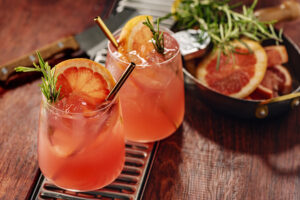
- Get Creative with Mocktails: Experiment with flavors to make alcohol-free living fun.
- Prioritize Mindfulness: Use this time to connect with practices like yoga, meditation, or journaling. Check out this blog post: Meditation Made Simple – Your Path to Healing
- Communicate Your Choice: Simply stating, “I’m not drinking tonight,” is often enough.
A Movement on the Rise
The non-alcoholic beverage market is growing rapidly, with sales of alcohol-free beers, wines, and spirits soaring in recent years. These options appeal not only to those who abstain completely but also to anyone looking to reduce their alcohol consumption.
Living without alcohol doesn’t mean giving up on life’s joys. Non-alcoholic beers, wines, and spirits allow people to enjoy the flavors and rituals of drinking without the downsides.
Whether it’s for health, emotional balance, or spiritual clarity, the rewards of cutting out alcohol are profound. Explore alcohol-free options, embrace new rituals, and see how this choice can open the door to deeper connections with yourself and others.
For more information, check out this blog post: The Rise of Alcohol-Free Living
 With Sincerity,
Jami Streyle
RN, MS, HWNC-BC, HNB-BC, Nurse Coach
Jami@bodyofgraceliving.com
Share This Story
Stay Updated
Sign up to receive the latest news and tips from Body of Grace Living.