Meditation: Unlocking Your Potential
In our fast-paced, always-connected world, the simple act of sitting in stillness can seem revolutionary. Yet, meditation, a practice as ancient as humanity itself, holds transformative potential for our physical health, mental well-being, and spiritual growth. Could a few minutes of stillness each day truly change your life? Science and experience say yes. Let’s explore why meditation is so vital for our overall health and how it can help us lead more mindful, fulfilled lives.
Mindfulness: Living in the Present
 At its core, meditation cultivates mindfulness—the art of being fully present in the moment. Mindfulness encourages us to observe our thoughts and feelings without judgment, fostering self-awareness and clarity. Studies have shown that practicing mindfulness reduces stress, enhances focus, and improves emotional regulation.
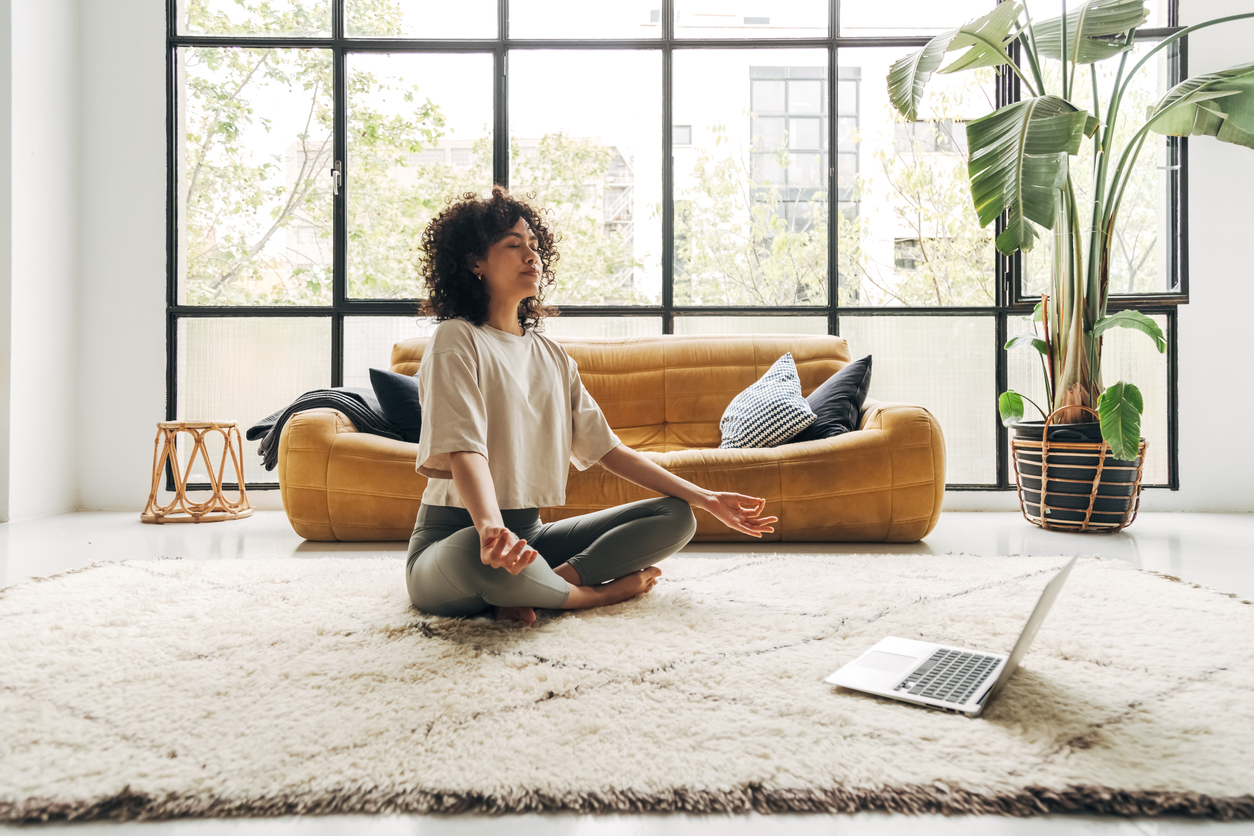
Imagine starting your day by simply focusing on your breath. This small act can reset your nervous system, helping you approach challenges with calm and clarity. Whether it’s through deep breathing exercises, observing nature, or guided meditations, mindfulness invites us to step away from autopilot and fully experience life as it unfolds.
The Power of the Mind: Thoughts Shape Reality
 Meditation strengthens the connection between our conscious and subconscious mind. By practicing intentional stillness, we tap into our brain’s natural ability to rewire itself, a phenomenon known as neuroplasticity. This means meditation doesn’t just change how we think; it changes our brain’s structure over time.
For instance, meditation has been shown to boost creativity, improve problem-solving skills, and even help people overcome habits like smoking or negative thinking. The act of visualizing success, healing, or peace during meditation creates neural pathways that make these outcomes more likely in real life. In essence, meditation allows us to harness the incredible power of our thoughts to shape our reality.
Healing the Body: Meditation and Disease

The mind-body connection is no longer a fringe idea—it’s a scientific fact. Studies have shown that meditation can lower blood pressure, improve immune function, and alleviate chronic pain. By reducing stress, meditation helps decrease inflammation in the body, a root cause of many illnesses.
Meditation’s healing power often feels miraculous. Patients recovering from surgery, dealing with chronic illnesses, or managing conditions like fibromyalgia have reported significant improvements when incorporating meditation into their routines. Practices like loving-kindness meditation or body scans are particularly effective, allowing the body to relax deeply and initiate its natural healing processes.
Mental Health: A Balm for the Modern Mind

Mental health challenges such as anxiety, depression, and burnout are at an all-time high. Meditation provides a natural, side-effect-free way to address these issues. Research shows that regular meditation can reduce symptoms of anxiety and depression, improve sleep quality, and foster emotional resilience.
Meditation teaches us self-compassion, helping us silence the inner critic and approach our struggles with kindness. Even a simple daily practice of sitting quietly for 10 minutes and focusing on the breath can have profound effects on mental well-being. Over time, meditation becomes a sanctuary—a place to retreat and recharge amidst life’s chaos.
Spirituality: Finding Meaning and Purpose

For many, meditation is more than a health practice—it’s a spiritual journey. Whether tied to religious traditions or secular explorations of meaning, meditation connects us to our inner selves and fosters a sense of unity with the world around us.
Meditation can help us cultivate gratitude, forgiveness, and a deeper sense of purpose. By quieting the mind, we create space for profound insights and feelings of interconnectedness. This spiritual dimension of meditation is where many find peace, joy, and a sense of belonging.
Tips for Getting Started
 If you’re new to meditation, starting can feel intimidating, but it doesn’t have to be. Here are some practical tips:
- Set a Time: Choose a consistent time each day, such as first thing in the morning or before bed.
- Find a Quiet Space: Dedicate a corner of your home to your practice, free from distractions.
- Start Small: Begin with just 5-10 minutes a day and gradually increase as you feel comfortable.
- Use Guided Meditations: Apps like Calm, Headspace, or Insight Timer can provide helpful guidance for beginners.
- Be Patient: Remember, meditation is a practice. It’s okay if your mind wanders; simply bring your focus back to your breath or mantra.
Conclusion
Meditation is more than just a practice—it’s a gateway to a healthier, more mindful, and spiritually connected life. By incorporating meditation into your daily routine, you can unlock its transformative power for your body, mind, and soul. As you take your first steps on this journey, remember the words of Ram Dass: “The quieter you become, the more you can hear.” So why not pause, breathe, and begin today? Your path to healing and inner peace awaits.


In Love and Light,
Jami Streyle
RN, MS, HWNC-BC, HNB-BC, Nurse Coach
jami@bodyofgraceliving.com * www.bodyofgraceliving.com
Share This Story
Stay Updated
Sign up to receive the latest news and tips from Body of Grace Living.