
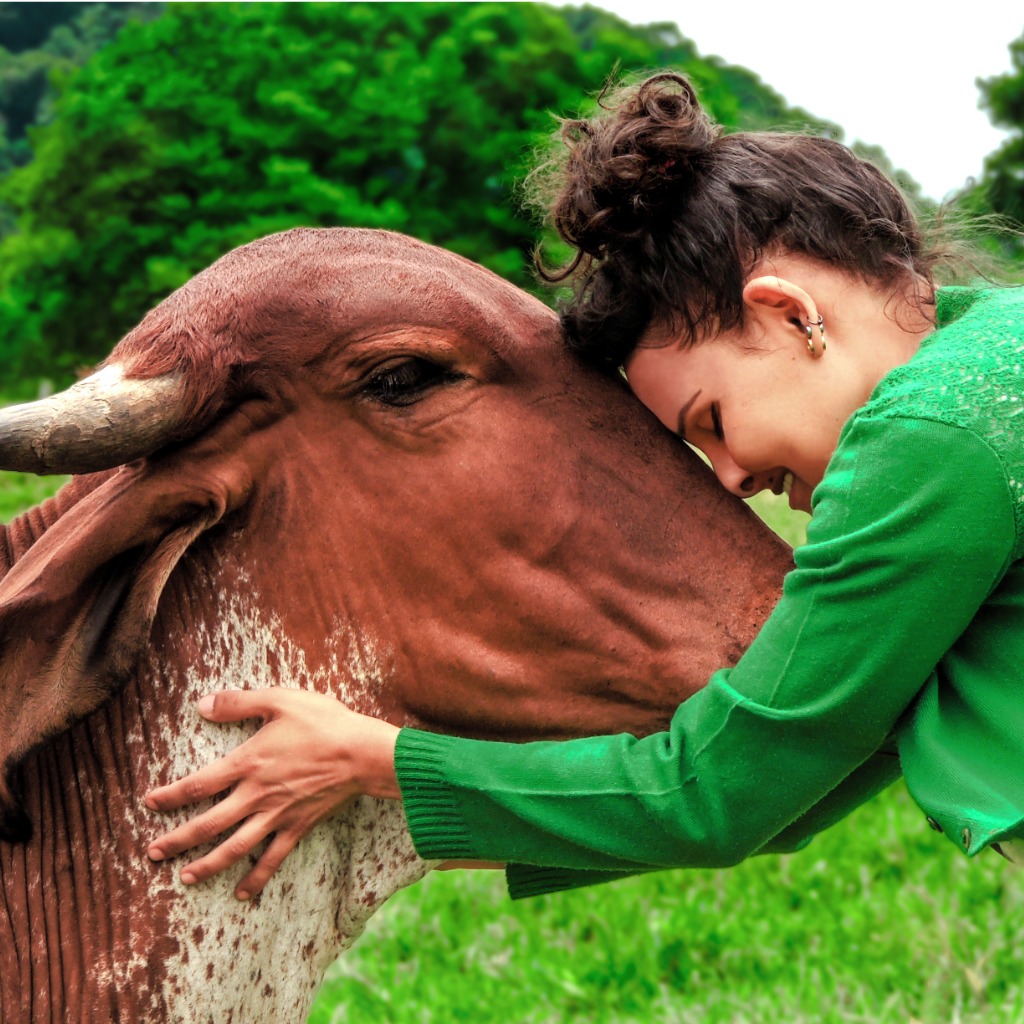

Compassion is at the heart of what it means to be human. It connects us to each other, to animals, and to the planet we call home. As we navigate a time of unprecedented environmental challenges, our capacity for empathy is being tested in profound ways. From witnessing the suffering of animals due to climate change and habitat destruction to grappling with the ongoing degradation of ecosystems, many of us feel a deep and persistent ache known as eco-grief. For some, this grief extends to the disenfranchised mourning of animals, whose pain often goes unnoticed or invalidated by society.
Compassion for Animals

Animals play an integral role in the ecosystems that sustain life on Earth, yet human actions often cause them immense suffering. From factory farming and deforestation to the destruction of coral reefs and pollinator habitats, the consequences of environmental neglect and exploitation are devastating. Many people feel a profound sadness when they see images of starving polar bears, displaced orangutans, or whales entangled in plastic debris. This emotional response is rooted in compassion, a recognition of their pain and our shared vulnerability.
Practicing compassion for animals doesn’t just mean feeling empathy; it means taking action. Simple choices like adopting a plant-based diet, supporting cruelty-free products, and advocating for animal welfare can make a tangible difference. For example, several scientific studies show how reducing meat consumption could significantly lower greenhouse gas emissions and preserve biodiversity. By aligning our actions with our values, we can help reduce animal suffering and contribute to a more humane world. 
Spending time with animals at sanctuaries has been one of the most healing experiences for me. These places offer a glimpse into what a kinder world could look like. Watching animals thrive in safe and nurturing environments fills me with love and joy, a reminder of why the work to protect them is so vital.
Compassion for the Planet
The Earth’s ecosystems are interdependent, and the health of the planet directly affects all living beings. Climate change, deforestation, and pollution have disrupted this balance, leading to catastrophic consequences for both humans and animals. The Amazon rainforest, often referred to as the “lungs of the planet,” is being destroyed at alarming rates, threatening countless species and accelerating climate change.
Caring for the planet means recognizing our role as stewards of the environment. Practices like reducing waste, conserving water, and supporting renewable energy can mitigate some of the damage. Additionally, participating in community clean-ups, planting trees, and advocating for policy changes can amplify our impact. As Dr. Jane Goodall famously said, “What you do makes a difference, and you have to decide what kind of difference you want to make.”
Spending time in nature has been another way for me to stay connected to the Earth. Walking through forests, sitting by a river, or even simply feeling the grass beneath my feet reminds me of the beauty and resilience of our planet. It’s a grounding practice that helps me face the reality of environmental destruction without keeping my head in the sand.
Understanding Eco-Grief

Eco-grief is a relatively new term that describes the sorrow and despair many feel when confronted with environmental destruction. This grief can manifest in various ways. According to a 2019 study in Nature Climate Change, eco-grief is becoming increasingly common as more people experience the tangible effects of climate change, such as wildfires, floods, and biodiversity loss.
This emotional pain is not only natural but also reflective of a deeper connection to the Earth. It’s a testament to our awareness and care. However, eco-grief can be isolating, especially in a society that often prioritizes economic growth over ecological preservation. Finding community among like-minded individuals, whether through environmental organizations or local activism, can provide solace and a sense of purpose.
I have felt this grief personally, a mix of sadness, frustration, and helplessness. Yet, it is through acknowledging this grief that I’ve found clarity and motivation to take action. Grief, as painful as it is, also reveals the depth of our love and connection to the world around us.
Disenfranchised Grief

Disenfranchised grief refers to mourning that isn’t openly acknowledged or validated by many people in society. This can occur in any life situation, transition, or experience that might “go against the norm” within the culture or society in which you live. It may, in turn, be accepted and supported in other parts of the world or other communities. Seeking support and finding loving outlets can be key.
For example, when it comes to animals, this grief often arises from witnessing their suffering without societal recognition of its significance. For instance, the pain of seeing a species go extinct or an animal endure cruelty can feel profoundly personal yet dismissed as overly sentimental by others, or worse.
Acknowledging this grief is essential for healing. Sharing stories, joining animal advocacy groups, and supporting legislation that protects wildlife can help channel this pain into action. As philosopher Albert Schweitzer stated, “Until he extends the circle of his compassion to all living things, man will not himself find peace.”

For me, visiting sanctuaries and hearing the stories of rescued animals has been a powerful way to express love and connect with others who grieve the cruelty (or death) of billions of animals worldwide. These animals, despite the suffering they’ve endured, show resilience and joy, inspiring me to keep advocating for change.
When it comes to disenfranchised grief, what ever the topic or situation, I encourage you to hold on to hope, love, faith, and seek support such as your nurse coach or counselor. I also encourage you to find community within your community. What I mean is, to seek those individuals that will help you actively turn your grief into loving action, however big or small your life and energy allows.
Turning Grief into Action
While eco-grief and disenfranchised grief can be overwhelming, they can also serve as catalysts for change. By transforming our sorrow into action, we honor the animals and ecosystems we mourn. Here are some steps to consider: 
- Educate Yourself and Others: Understanding the root causes of environmental and animal suffering is the first step toward meaningful change. Share this knowledge with friends and family to inspire collective action.
- Support Sustainable Practices: Choose products and companies that prioritize environmental and animal welfare. Advocate for policies that address climate change and biodiversity loss.
- Engage in Community Efforts: Join local or global organizations working to protect animals and the environment. Collaboration amplifies impact and provides emotional support.
- Practice Mindfulness: Eco-grief can be emotionally draining. Practices like meditation, spending time in nature, and connecting with supportive communities can help you stay grounded.
- Be a Voice for the Voiceless: Animals and ecosystems can’t advocate for themselves, but we can. Use your voice to raise awareness and drive change.
A Compassionate Path Forward 
Having compassion for animals and the planet is not a sign of weakness but a testament to our humanity. While the grief we feel for their suffering is real and often heavy, it also reflects our deep connection to the world around us. By embracing this compassion and channeling it into action, we can create a future where all living beings (human and non-human) thrive together. As the poet Mary Oliver wrote, “You only have to let the soft animal of your body love what it loves.” Let that love guide you toward a more compassionate and sustainable world.
In Love and Light,
Jami Streyle-Dean
RN, MS, HWNC-BC, HNB-BC, Nurse Coach
jami@bodyofgraceliving.com * www.bodyofgraceliving.com
References:
- Goodall, J. (2019). The Book of Hope: A Survival Guide for Trying Times.
- Ripple, W. J., et al. (2018). “Reducing food’s environmental impacts through producers and consumers.” Science, 360(6392), 987-992.
- Cunsolo, A., & Ellis, N. R. (2018). “Ecological grief as a mental health response to climate change-related loss.” Nature Climate Change, 8(4), 275-281.
Share This Story
Stay Updated
Sign up to receive the latest news and tips from Body of Grace Living.